TA Paints
Professional Two Pack Epoxy Primer for Swimming Pools and Ponds - Durable Finish for Fiberglass and Metal Protection
Professional Two Pack Epoxy Primer for Swimming Pools and Ponds - Durable Finish for Fiberglass and Metal Protection
Couldn't load pickup availability
Product Overview
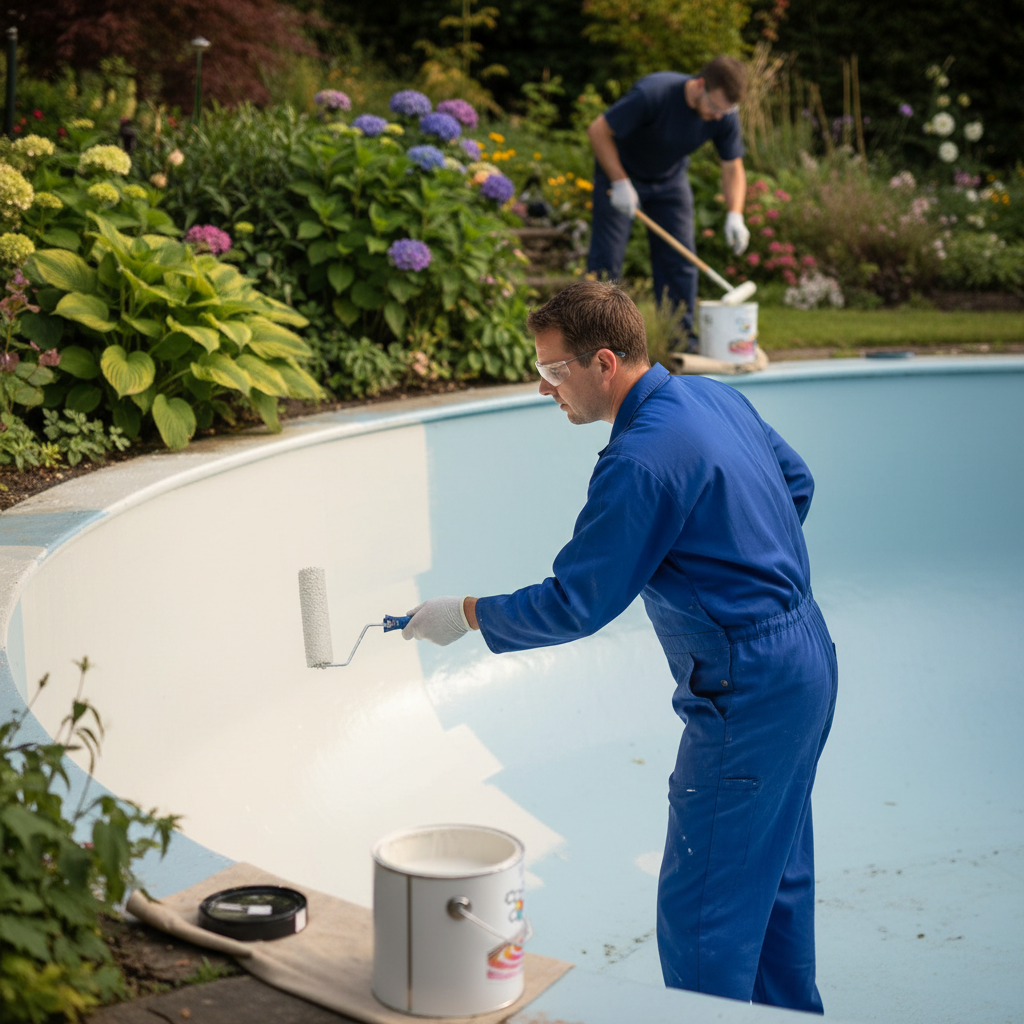
Discover the ultimate solution for swimming pools and ponds with our Professional Two Pack Epoxy Primer. Formulated to deliver a durable finish and exceptional adhesion, it's tailor-made for aquatic environments. Ideal for preparing surfaces in swimming pools and ponds, this primer ensures a strong bond to fiberglass and gelcoat finishes, and provides enduring protection against corrosion on metal surfaces, chemicals, and environmental factors. Trust in our primer to create a resilient barrier that safeguards your pool and pond surfaces, ensuring longevity and peace of mind for years to come.
Important Notice
Do not apply two pack epoxy paint in temperatures below 10 degrees Celsius, as the cross-linking of the paint and catalyst will not occur, preventing the coating from fully drying. It is also essential to remember that two pack epoxy paints cannot be applied over existing single pack paints, as they will react with them.
Features and Benefits
- Durable finish designed for aquatic environments
- Exceptional adhesion to fiberglass and gelcoat finishes
- Protects against corrosion on metal surfaces
- Resilient barrier against chemicals and environmental factors
- Ensures longevity and peace of mind for pool and pond surfaces
Technical Specifications
- Type: Two Pack Epoxy Primer
- Application: Swimming pools and ponds
- Suitable for: Fiberglass and metal surfaces
FAQ
-
Q: Can this primer be used on existing single pack paints?
A: No, it cannot be applied over existing single pack paints as they will react with each other. -
Q: What temperature should I avoid when applying this primer?
A: Do not apply in temperatures below 10 degrees Celsius. -
Q: How long does it take for the primer to dry?
A: The drying time can vary depending on environmental conditions, but it should not be applied in lower temperatures for optimal results.
Share